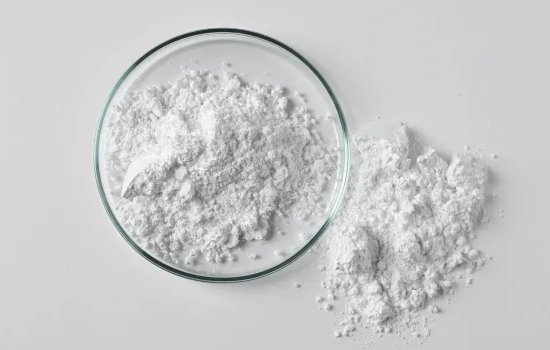
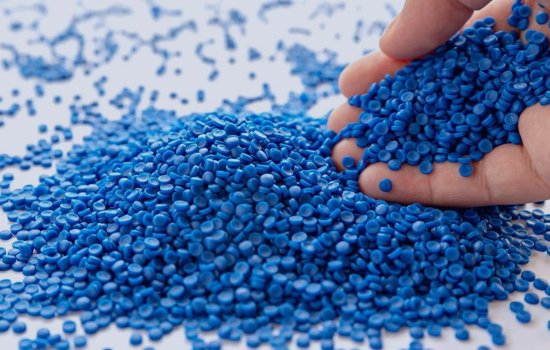
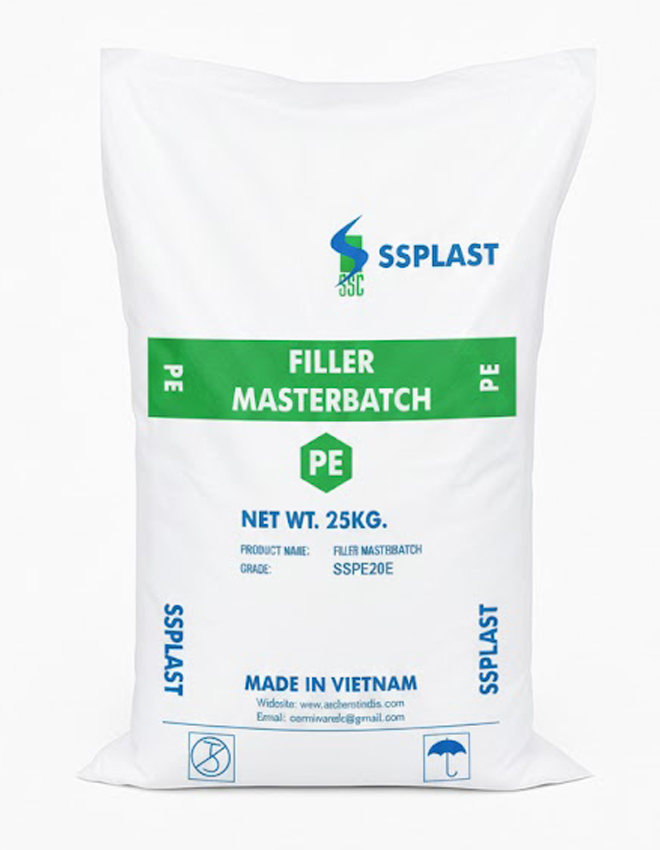
LD Filler Masterbatch (High-Density Filler) is a high-performance additive critical for film-grade plastic manufacturing, primarily used to enhance material properties and achieve significant cost savings. It is typically a concentrated blend of a fine mineral powder, most commonly high-quality Calcium Carbonate (CaCO3), dispersed in a High-Density Polyethylene (HDPE) or compatible carrier resin, along with specific processing additives.
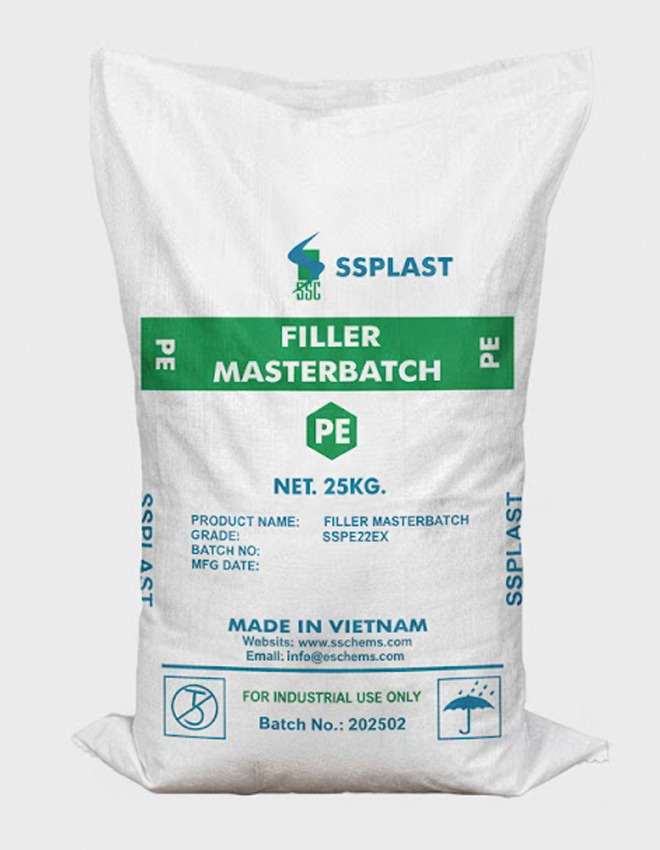

Cost Reduction: The primary advantage is the ability to partially replace expensive virgin polymer resin with the much more affordable mineral filler, leading to substantial savings in raw material costs.
Rigidity and Stiffness: It significantly increases the stiffness and rigidity of the film, which can improve handling and strength.
Impact and Tear Resistance: At appropriate loadings, it can improve impact and tear resistance in certain types of films, increasing product durability.
Processing Efficiency: The filler's good thermal conductivity can help cool the polymer bubble faster during the blown film extrusion process, thereby shortening the production cycle and increasing output.
Whiteness and Opacity: It imparts excellent whiteness and opacity to the film, reducing the need for expensive white masterbatch (like TiO2).
Printability: The filler's surface effect can create a superior, matte surface texture, improving the film's printability and anti-blocking properties.
Transparency (Note): While CaCO3 filler is generally opaque, specialized formulations may be used for a balance between cost-saving and clarity for certain film applications.
Due to its high-density carrier and property enhancements, LD Filler Masterbatch is ideally suited for various blown film applications, including:
Cost Reduction: The primary advantage is the ability to partially replace expensive virgin polymer resin with the much more affordable mineral filler, leading to substantial savings in raw material costs.
Due to its high-density carrier and property enhancements, LD Filler Masterbatch is ideally suited for various blown film applications, including:

SS Chemical was incorporated by a group of engineers with the mission of developing & manufacturing a specialty in minerals through indigenous research & application-based technology for the next millennium.
Read More..
SS CHEMICALS
Office No 6, 3rd Floor
Premises No 2,
Narendra Chandra Dutta Sarani,
Kolkata-700001
+91-9557128424 (Sunny Jain)
Copyright © 2026 SS Chemicals - All Rights Reserved.